
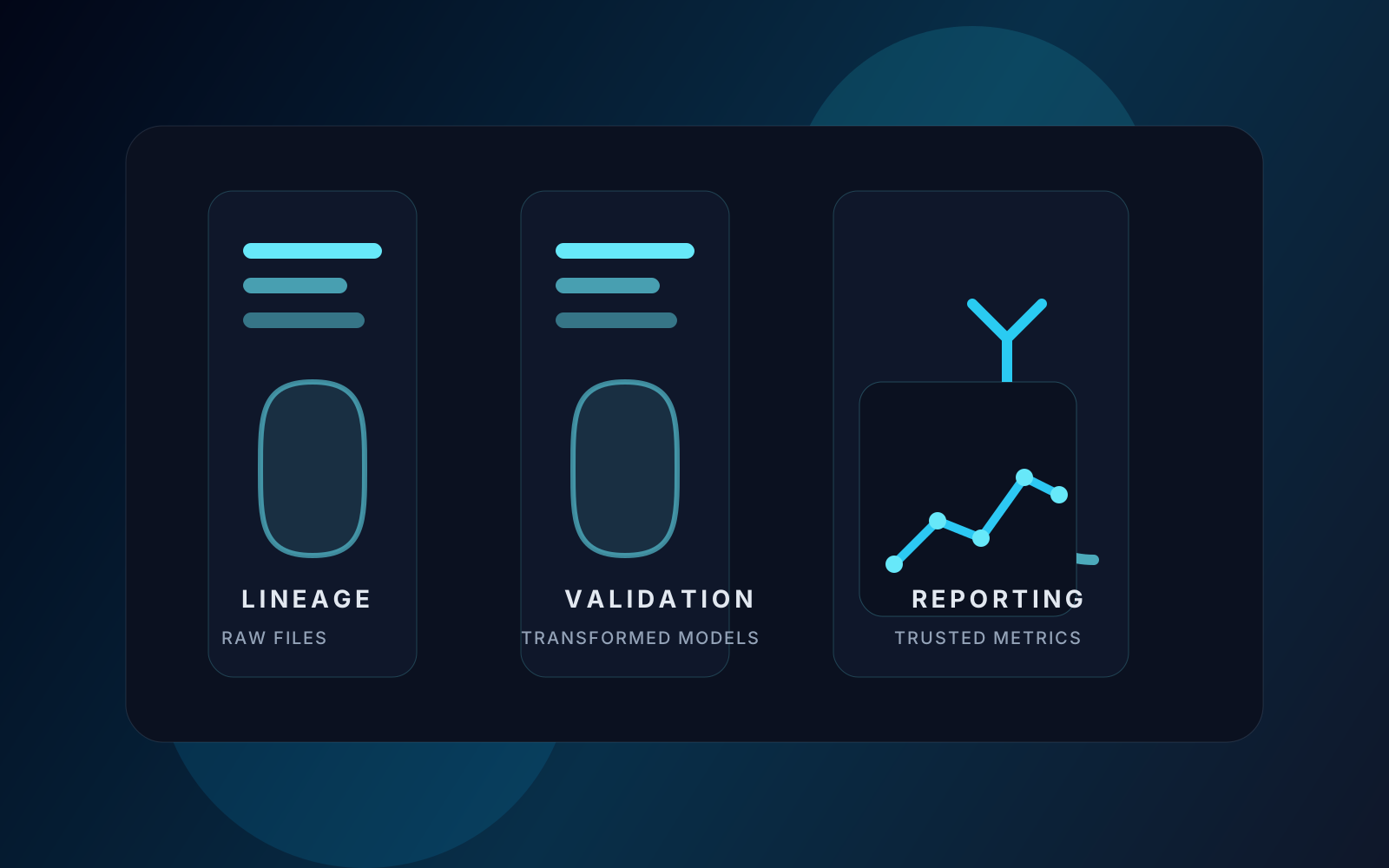
A reporting layer becomes credible only when it can be explained from end to end. Raw events, transactional tables, and source files are not yet insight; they are material waiting for structure. The warehouse exists to impose that structure in a way that preserves traceability instead of hiding it.
A sound model starts with the questions people repeatedly ask. Which customers are active, which products are moving, which channels are expensive, and which processes are slowing down? Those questions shape the grain of the data model. If the warehouse is designed around curiosity rather than convenience, the reports that come from it are easier to trust and easier to extend.
Transformation quality matters as much as the model itself. The pipeline should make joins, aggregations, and business rules visible enough that someone can retrace a result and understand why it looks the way it does. Lineage, refresh cadence, and validation checks are not administrative extras; they are the foundation of confidence.
When a warehouse is done well, it saves time twice. First, it reduces the mechanical work of assembling reports. Second, it reduces the mental work of arguing about whether the numbers can be believed. That second benefit is often the more valuable one, because organizations rarely lack data; they lack data they are willing to act on.